Finding the right dog breed for a family with children can be a rewarding yet challenging task. With many breeds to choose from, it is essential to consider factors such as temperament, energy levels, and compatibility with children. This article aims to provide an authoritative overview of the best dog breeds for families with kids, complete with descriptions, professional advice, and a comprehensive FAQ section to assist first-time pet parents, breeders, and dog lovers alike.
Understanding the Needs of Family Dogs
When selecting a dog for a family with children, several factors must be taken into consideration:
Temperament: A dog that is patient and tolerant is essential for families with young children. Look for breeds known for their friendly and gentle demeanor.
Energy Level: High-energy breeds may require more exercise and stimulation, which can be challenging for busy families. Consider breeds that match your family’s activity level.
Size: While larger breeds may be more robust, small dogs can be easily injured if not handled gently. Understanding how a dog’s size interacts with your children’s ages and sizes is crucial.
Trainability: A dog that is easy to train will integrate seamlessly into family life. Look for breeds that are known for their intelligence and willingness to learn.
Grooming Requirements: Some breeds require more grooming than others. Families with busy schedules may prefer low-maintenance dogs.
Ideal Breeds for Families with Kids
Here are several dog breeds that are renowned for their compatibility with children:
1. Labrador Retriever
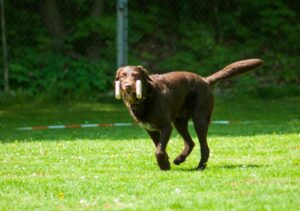
Description: The Labrador Retriever is one of the most popular dog breeds worldwide, known for its friendly nature and intelligence. Labs are highly social and thrive on companionship, making them ideal family pets.
Professional Advice: Labradors are energetic and require regular exercise. Engage them in play and training activities to channel their energy positively.
2. Golden Retriever
Description: Similar to Labradors, Golden Retrievers are known for their gentle nature and loyalty. They are patient and tolerant, making them excellent companions for children.
Professional Advice: Early socialization and training are crucial for Golden Retrievers. Teach children how to interact with the dog to foster a loving and respectful relationship.
3. Beagle
Description: Beagles are small to medium-sized dogs with a friendly disposition. They are curious, playful, and excellent with children, making them a popular choice for families.
Professional Advice: Beagles are scent hounds and may have a strong instinct to follow scents. Ensure they have a secure environment and engage in training to prevent wandering.
4. Bulldog
Description: Bulldogs are known for their calm demeanor and affectionate nature. They are generally good with children and can adapt to a variety of living situations.
Professional Advice: Bulldogs can be prone to certain health issues, such as breathing difficulties. Regular veterinary check-ups and a controlled exercise routine are essential.
5. Boxer
Description: Boxers are energetic and playful dogs that love to interact with children. They are known for their protective nature and make loyal family pets.
Professional Advice: Due to their high energy levels, Boxers require regular exercise and mental stimulation. Engage them in activities such as fetch or agility training.
6. Poodle
Description: Poodles are highly intelligent and come in three sizes: standard, miniature, and toy. They are known for their hypoallergenic fur and excellent temperament with children.
Professional Advice: Regular grooming is necessary for Poodles to maintain their coat. They are quick learners, making training an enjoyable experience.
7. Cocker Spaniel
Description: Cocker Spaniels are affectionate and gentle, making them wonderful companions for children. They are known for their playful nature and love for family activities.
Professional Advice: Regular exercise and grooming are required to keep Cocker Spaniels healthy and happy. Socialization helps develop their confidence around children.
8. Collie
Description: Collies, particularly the Rough and Smooth varieties, are known for their intelligence and loyalty. They are gentle and protective, making them excellent family dogs.
Professional Advice: Collies require regular exercise and mental stimulation. They thrive in environments where they can engage with their families.
9. Newfoundland
Description: Known for their gentle giant stature, Newfoundlands are incredibly patient and affectionate. Their calm disposition makes them an excellent choice for families with children.
Professional Advice: Newfoundlands require regular exercise but are generally laid-back. They are also known for their swimming ability, making water play an enjoyable activity for families.
10. Bichon Frise
Description: The Bichon Frise is a small, cheerful breed known for its playful nature and hypoallergenic coat. They are good with children and adapt well to various living environments.
Professional Advice: Regular grooming is essential to maintain their coat. Bichon Frises thrive on companionship, so ensure they are part of family activities.
Professional Considerations for Dog Ownership
Before bringing a dog into your family, consider the following:
Time Commitment: Dogs require time for training, exercise, grooming, and social interaction. Ensure your family can dedicate sufficient time to meet these needs.
Financial Responsibility: Owning a dog involves costs, including food, grooming, veterinary care, and supplies. Budget accordingly to provide for your new pet.
Living Environment: Assess your home and yard to determine if it is suitable for the breed you are considering. Some dogs require more space than others.
Allergies: Be aware of potential allergies to dog dander. Consider hypoallergenic breeds if allergies are a concern for any family member.
Adoption vs. Breeding: Consider adopting from a shelter or rescue organization. Many wonderful family-friendly dogs are looking for homes.
FAQs
1. What is the best age for children to have a dog?
While children of any age can benefit from having a dog, families with toddlers should choose breeds known for their patience and tolerance. It is essential to supervise interactions between young children and dogs to ensure safety.
2. How can I prepare my dog for a new baby?
Introduce your dog to baby sounds and smells before the baby arrives. Gradually acclimate them to new routines and provide positive reinforcement for calm behavior around the baby.
3. Are there breeds that are specifically good for children with special needs?
Certain breeds, such as Golden Retrievers and Labradors, are often recommended for families with children with special needs due to their gentle and patient nature. However, individual temperaments vary, so it is essential to evaluate each dog’s behavior.
4. How can I teach my children to interact safely with dogs?
Teach children to approach dogs calmly, avoid sudden movements, and respect the dog’s space. Supervise interactions and encourage gentle petting and play.
5. What if my dog does not get along with my children?
If your dog displays aggression or fear towards children, consult a professional trainer or behaviorist. Early intervention can help modify the dog’s behavior and improve interactions.
Conclusion
Choosing the right dog breed for your family is a significant decision that can lead to years of joy and companionship. By considering the factors outlined in this article, you can find a breed that not only fits your family’s lifestyle but also becomes a cherished member of your household. Always consult a professional veterinarian or animal behaviorist for personalized advice and guidance tailored to your family’s needs.