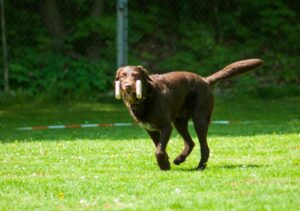

Training a puppy is one of the most rewarding, yet challenging, experiences a dog owner can undertake. Proper training not only fosters good behaviour but also strengthens the bond between you and your furry companion. Understanding the fundamentals of puppy training, including age-appropriate techniques and the importance of socialisation, can set the stage for a well-mannered adult dog. This article aims to guide you through the essentials of puppy training, backed by evidence-based practices and professional insights.
Understanding Puppy Development
Before delving into training techniques, it’s crucial to understand the developmental stages of a puppy. Puppies undergo several key phases that impact their learning:
Neonatal Stage (0-2 weeks): During this time, puppies are entirely dependent on their mother. They are not yet capable of learning behaviours.
Socialisation Period (3-12 weeks): This is the most critical phase for socialisation. Puppies are highly receptive to new experiences and should be exposed to a variety of people, animals, and environments.
Juvenile Stage (3-6 months): Puppies begin to develop independence. Training should become more structured, with a focus on basic obedience commands.
Adolescence (6-18 months): Behavioural challenges may arise as puppies test boundaries. Consistency and patience are essential during this stage.
Understanding these developmental stages will help you tailor your training approach to your puppy’s specific needs.
Essential Training Techniques
1. Positive Reinforcement
Positive reinforcement is a foundational training technique that involves rewarding desired behaviours to increase the likelihood of their recurrence. This can be achieved through treats, praise, or playtime. Research consistently shows that positive reinforcement is more effective and humane than aversive training methods.
Professional Tip: Use high-value treats during initial training sessions to motivate your puppy. Gradually reduce treat reliance as your puppy learns commands.
2. Establishing a Routine
Puppies thrive on routine. Consistency in training sessions, feeding times, and potty breaks will help your puppy understand what is expected of them. Aim for short, frequent training sessions (5-10 minutes) multiple times a day, as puppies have limited attention spans.
3. Socialisation
Socialisation is critical during the first few months of a puppy’s life. Exposing your puppy to different environments, people, and other animals can prevent behavioural issues in adulthood. Enrol in puppy socialisation classes and arrange playdates with other vaccinated puppies.
Professional Insight: Ensure all interactions are positive. Supervise your puppy closely during socialisation to prevent negative experiences that may lead to fear or aggression.
4. Basic Commands
Teaching basic commands is an essential aspect of puppy training. Start with fundamental commands such as “sit,” “stay,” “come,” and “down.” Use clear verbal cues and hand signals, and always reward your puppy for compliance.
Professional Tip: Practice commands in various locations to generalise the behaviour. This will help your puppy respond reliably, regardless of the environment.
5. Addressing Problem Behaviours
Common puppy behaviours such as chewing, barking, and jumping can be addressed through training and redirection. Providing appropriate chew toys can help manage chewing, while teaching alternative behaviours (like “sit”) can reduce jumping.
6. Crate Training
Crate training is an effective method for house training and providing your puppy with a safe space. Introduce the crate gradually, using treats and praise to create positive associations. Never use the crate as a punishment, as this can lead to fear and anxiety.
The Importance of Consistent Communication
Effective communication is the cornerstone of successful puppy training. Using a consistent tone of voice and clear commands will help your puppy understand your expectations. Avoid using multiple commands for the same behaviour; instead, stick to one command per behaviour to prevent confusion.
Professional Advice on Handling Challenges
Puppy training is not without its challenges. If you encounter persistent behavioural issues, consider the following professional advice:
Seek Professional Help: If your puppy exhibits aggression or severe anxiety, consult a certified dog trainer or veterinary behaviourist. Early intervention can prevent problems from escalating.
Remain Patient and Calm: Training requires time and patience. Puppies are learning how to navigate their world, and frustration can hinder progress.
Monitor Socialisation Opportunities: Continue socialisation beyond the critical period. Regular exposure to new experiences will help your puppy become a well-adjusted adult dog.
FAQs
1. How long does it take to train a puppy?
The duration of training varies based on the puppy’s age, breed, and individual temperament. Basic commands can often be taught within a few weeks, while more complex behaviours may take several months to master.
2. Is it too late to train my puppy if they are older than six months?
It is never too late to train a dog. While younger puppies may learn more quickly, older dogs can still be trained effectively. Consistency and patience are key.
3. What should I do if my puppy is not responding to training?
Evaluate your training methods. Ensure you are using positive reinforcement and that training sessions are short and engaging. If problems persist, consider seeking professional help.
4. How important is socialisation for my puppy?
Socialisation is critical for a puppy’s development. Proper socialisation can prevent behavioural problems later in life. Aim to expose your puppy to various experiences during the first few months.
5. Can I use punishment in training?
Aversive training methods, such as punishment, can lead to fear and anxiety, which may exacerbate behavioural problems. Positive reinforcement is a more effective and humane approach to training.
Conclusion
Successful puppy training is a journey that requires time, patience, and a solid understanding of canine behaviour. By employing positive reinforcement strategies, establishing a consistent routine, and prioritising socialisation, you can lay the foundation for a well-behaved and happy adult dog. Remember, every puppy is unique; tailor your training approach to suit your puppy’s individual needs, and seek professional guidance when necessary. With dedication and love, you can unlock the secrets to successful puppy training.